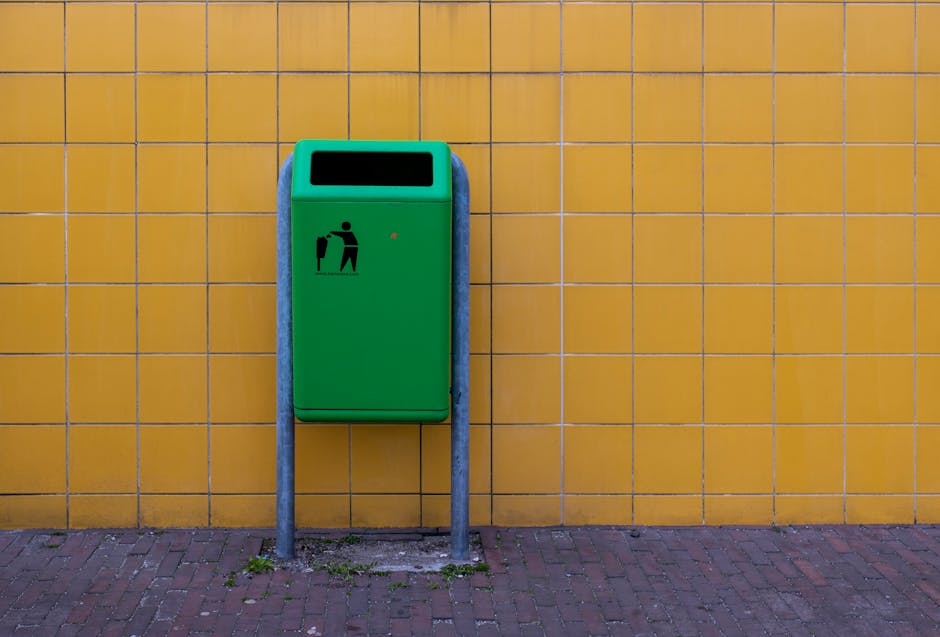
Bulky Waste Rules Haringey Council and Removal Service Options
If you have an old sofa by the door, a broken wardrobe in the hall, or a fridge that has somehow become part of the furniture, you are probably trying to work out the fastest legal way to get rid of it. That is exactly where Bulky Waste Rules Haringey Council and Removal Service Options come in. The tricky bit is that the rules, the booking process, and the service choice can all feel slightly different depending on what you're throwing away, how much there is, and how quickly it needs to go.
This guide breaks the whole thing down in plain English. You will learn what counts as bulky waste, how council collection services typically work, when a private removal service makes more sense, and how to avoid the usual mistakes that cause delays or extra cost. Nothing fluffy. Just the practical stuff you actually need.
Table of Contents
- Why Bulky Waste Rules Haringey Council and Removal Service Options Matters
- How Bulky Waste Rules Haringey Council and Removal Service Options Works
- Key Benefits and Practical Advantages
- Who This Is For and When It Makes Sense
- Step-by-Step Guidance
- Expert Tips for Better Results
- Common Mistakes to Avoid
- Tools, Resources and Recommendations
- Law, Compliance, Standards, or Best Practice
- Options, Methods, or Comparison Table
- Case Study or Real-World Example
- Practical Checklist
- Conclusion
- Frequently Asked Questions
Why Bulky Waste Rules Haringey Council and Removal Service Options Matters
Bulky waste is one of those everyday problems that sounds simple until you're standing in front of a hallway full of awkward items. A mattress is bulky, yes. But what about a broken desk chair, a dismantled bed frame, half a garden shed, or several bags of renovation leftovers? People often mix bulky waste with general rubbish, and that is where the headaches start.
In Haringey, as in most London boroughs, bulky items generally need to be handled separately from standard household waste. That matters because councils usually set conditions around what they will collect, how items must be presented, and what types of waste they will refuse. If you ignore those rules, your booking can fail or your waste may not be taken at all. Not ideal when the pile is sitting in your front room and you want the place clear by Friday.
There is also a broader issue: illegal dumping. Let's face it, fly-tipping is ugly, expensive to clear, and frustrating for neighbours. Choosing a proper bulky waste route helps keep streets cleaner and keeps you on the right side of waste duty of care expectations. That's the real point here. It is not just about convenience; it is about responsibility too.
If you are planning a bigger move or downsizing project, bulky waste often sits alongside other removal tasks. In those cases, a wider service such as removal services can be more efficient than dealing with each item separately. For furniture specifically, furniture pick up can be a useful option when the main issue is a sofa, bed, table, or cabinet that simply needs to go.
How Bulky Waste Rules Haringey Council and Removal Service Options Works
The basic idea is straightforward: bulky items are collected either through the council's arranged service or through a private waste or removal provider. The details are where people trip up. Some items may be accepted, some may need special handling, and some may be excluded entirely because they contain hazardous parts, sharp edges, or materials that need separate treatment.
In practice, the process usually works like this:
- You identify the items you want removed and check whether they are classed as bulky waste, reusable furniture, electrical equipment, or something more specialist.
- You decide whether the council route or a private collection is more appropriate.
- You book a collection or quote, following the service's instructions on access, item placement, and payment.
- You make the items ready for collection, which may mean moving them to a ground-floor location, dismantling larger pieces, or separating recyclable components.
- The items are removed, and then they are usually taken for reuse, recycling, or disposal depending on condition and local handling arrangements.
One thing worth saying: if the item is still in good condition, disposal may not be your best first option. A lot of people forget that. A usable wardrobe, for example, may be better suited to a reuse route than the skip. That is not just environmentally better; it can sometimes save you money too.
For households already in the middle of a move, a flexible option like man and van or man with van can work well because it handles mixed loads, heavier pieces, and access issues in one go. That can be a relief if you live up three flights of stairs and the lift has decided to take the day off.
Key Benefits and Practical Advantages
Choosing the right bulky waste route is not just a question of getting rid of stuff. It affects time, cost, effort, and how smoothly the rest of your day goes. A smart choice can take a lot of pressure off.
- Less stress: You know what can be collected, what needs preparing, and who is responsible for what.
- Cleaner property access: Clearing bulky items before a move or refurbishment keeps hallways, entrances, and stairwells usable.
- Better cost control: Council collection may suit a small one-off load, while private removal can be better value for larger or urgent jobs.
- Reduced lifting risk: A proper service avoids unsafe handling and the dreaded "we'll just drag it down the stairs" approach. Not great, honestly.
- More flexible timing: Private services can often align with your schedule, which matters if you need the waste gone before carpet fitters, estate agents, or new tenants arrive.
Another advantage is coordination. If you are already planning a bigger household clear-out, a removals provider may be able to combine bulky waste removal with other moving tasks. That is where services such as removals near me can become useful in your search, especially if you want speed, local familiarity, and a single point of contact.
To be fair, the biggest benefit is often peace of mind. Once the old stuff is out, the room feels different. Quieter. Lighter. A bit less chaotic.
Who This Is For and When It Makes Sense
This topic matters to more people than you might think. It is not just for households with a single broken sofa. In Haringey, bulky waste rules and removal options are relevant for renters, homeowners, landlords, letting agents, office managers, and anyone who has ended up with furniture or equipment they cannot put in the normal bin.
You may need a bulky waste solution if you are:
- clearing a property before or after a move
- replacing old furniture
- emptying a room for decorating or flooring work
- dealing with end-of-tenancy items left behind
- removing office furniture after a refurbishment
- getting rid of damaged household items that are too large for regular collection
It also makes sense when access is awkward. Some homes have narrow staircases, basement flats, shared entrances, or parking restrictions that make self-transport a hassle. In those cases, a man with a van can be a practical middle ground between hiring a skip and trying to do it all yourself.
There are also times when a more structured solution is needed. If the bulky waste is part of a bigger house move, then home moves or house removals may be more relevant because the waste can be dealt with as part of the relocation plan. Same for offices, where office removals or office relocation services are often a better fit than a one-off collection.
Step-by-Step Guidance
If you want to avoid wasted trips, confusing quotes, or a collection that never quite happens, follow a proper sequence. It is not glamorous, but it works.
1. Identify the waste correctly
Start by separating bulky household items from general rubbish and from anything potentially hazardous. Large furniture, white goods, mattresses, and some electricals may fall into different handling categories. A bit of sorting now saves a lot of back-and-forth later.
2. Decide whether reuse, council collection, or private removal is best
If the item is reusable, think about donation or resale before disposal. If it is only a few items and you are not in a rush, a council collection route may be suitable. If you need a fast turnaround, heavy lifting, or collection from inside the property, private removal is often more practical.
3. Check the preparation rules
Collection services often ask for items to be placed in a specific location. That might be the kerbside, the front garden, or a ground-floor point. Large items may need to be dismantled. If there are screws, glass panels, or loose parts, it is worth securing them properly. Nobody wants a wobbly shelf collapsing in the doorway five minutes before collection.
4. Request a quote with clear item details
Be precise. Say what the item is, how many there are, whether it needs carrying downstairs, and whether parking or access is difficult. Honest detail leads to better pricing and fewer surprises. If you want a transparent estimate, it can help to review pricing and quotes before you choose a service.
5. Book for the right time
Try to schedule removal around other work. If decorators, moving teams, or cleaners are due, bulky items should go first. That avoids bottlenecks and keeps the property usable. Simple, but easy to overlook.
6. Prepare access on the day
Clear a path, unlock gates, and make sure parking or loading space is realistic. If the collection is private, tell the provider about staircases, lifts, or tight corners in advance. The more they know, the smoother it goes.
7. Keep proof and documentation where needed
For businesses and landlords, it can be useful to keep a record of what was removed and by whom. That helps with compliance, tenant handovers, and internal reporting. Not exciting, but very useful if anything is queried later.
Expert Tips for Better Results
After handling enough bulky clearances, a few patterns become obvious. The jobs that go well usually have one thing in common: they were planned just enough. Not overplanned, not overcomplicated. Just enough.
- Photograph items before booking: A quick picture helps with accurate pricing and avoids misunderstandings.
- Group items by access and weight: Heavy wardrobes and lighter chairs should not be treated the same way.
- Ask about recycling routes: If sustainability matters to you, choose a provider that prioritises reuse and material recovery where possible. You can read more about this approach in recycling and sustainability.
- Keep an eye on parking: In London, access and loading space can be the difference between a quick job and a drawn-out one.
- Combine tasks where sensible: If you are also moving house or office, bundling tasks together can save time and reduce disruption.
A small human tip: if you are unsure whether something is worth keeping, ask yourself whether you would willingly carry it up two flights of stairs again. That usually answers the question. Harsh, but effective.
For larger mixed loads, a provider offering removal company support can be more helpful than a simple collection-only service because they are usually set up to manage labour, vehicle size, loading, and disposal in one move.
Common Mistakes to Avoid
Most problems with bulky waste are avoidable. They happen because people assume the service will "just know" what needs doing. It rarely does.
- Leaving it too late: If you wait until the day before a move, your options narrow fast.
- Mixing restricted items with ordinary bulky waste: This can lead to refusal or extra charges.
- Underestimating access problems: A narrow stairwell or no parking can turn a simple collection into a far more complex job.
- Not checking item condition: Reusable items can sometimes be diverted away from disposal, but only if they are actually suitable.
- Forgetting to dismantle where needed: Big items often need reducing in size before removal.
- Using the wrong service type: A council collection, a private bulky item pickup, and a full removal service are not the same thing.
There is also a common assumption that all waste removal is the same. It really isn't. Some jobs need manpower more than a vehicle. Others need a bigger van, careful handling, and a route through recycling rather than disposal. Choosing the wrong service usually costs more in the end.
If your load includes items from a home clearance or move, services such as removals van support or a broader removals booking may be the more sensible fit.
Tools, Resources and Recommendations
You do not need a huge toolkit to deal with bulky waste, but a few things make life easier. Think of this as the practical kit list that saves you from last-minute faffing around at 8pm on a damp Tuesday.
- Measuring tape: Useful for checking whether a sofa, bed base, or cabinet will fit through doors and hallways.
- Basic screwdriver or Allen key set: Handy for dismantling beds, shelving, and flat-pack furniture.
- Heavy-duty gloves: Especially useful for rough timber, broken fittings, or items with sharp edges.
- Strong tape or straps: Good for securing drawers, panels, and loose parts.
- Phone camera: A few quick photos make booking much easier.
For service planning, think about three things: volume, access, and timing. Those three usually determine whether you need a simple collection or a fuller removal arrangement. If you are unsure, a provider offering man and van removals can often bridge the gap between "just a few items" and "this is actually a mini-clearance".
Also, remember to check the provider's approach to safety, insurance, and customer process. A well-run operation should explain how items are handled, whether there is cover in place, and what happens if access turns out to be more awkward than expected. Their insurance and safety information should be clear enough that you are not left guessing.
Law, Compliance, Standards, or Best Practice
When people talk about bulky waste, they often focus on the inconvenience. Fair enough. But compliance matters too. In the UK, households and businesses are expected to handle waste responsibly, and that means using legitimate collection routes, avoiding fly-tipping, and being careful about who you hand waste to.
Best practice is simple in principle:
- use a proper collection or removal service
- make sure the provider is transparent about what they take
- avoid leaving items in a way that blocks access or creates hazards
- separate reusable, recyclable, and waste-only items where possible
- keep records if you are a landlord or business operator
If you are arranging removal for a business property, additional care is sensible. Office furniture, storage units, and equipment may need to be managed as part of a wider move or closure process. In those situations, commercial moves can be a better overall framework than treating everything as a one-off disposal job.
There is also a practical standard worth following even when the law does not spell every detail out: do not pass waste to anyone who cannot explain where it will go. If a provider is vague, that is a warning sign. Simple as that.
Options, Methods, or Comparison Table
The right option depends on urgency, quantity, access, and whether the items are reusable. Here is a straightforward comparison.
| Option | Best For | Strengths | Limitations |
|---|---|---|---|
| Council bulky waste collection | Small to moderate household items with flexible timing | Usually straightforward, suitable for a limited number of items, familiar process | May have item restrictions, booking lead times, and presentation rules |
| Private bulky item removal | Urgent jobs, awkward access, heavier loads | More flexible, labour included, often faster | Can cost more depending on load size and access |
| Man and van service | Mixed loads, furniture, quick clear-outs | Good for combining lifting and transport, practical for London streets | May be less suitable for specialist waste categories |
| Full removals service | House moves, office changes, large clearances | Best for bigger projects, can combine several tasks | Can be more service than you need for one item |
In real life, the answer often sits somewhere between two options. Maybe you need one wardrobe gone, but you also have moving boxes and a bed frame to shift. That is where a flexible man with van removal style job can make the most sense because it avoids paying for a full-scale move when you do not need one.
Case Study or Real-World Example
Here's a realistic example from the sort of situation people run into all the time. A couple in Haringey were preparing to hand back a rented flat. They had an old mattress, a worn sofa, a small dining table, and a couple of broken chairs. Nothing dramatic, just enough clutter to make the place feel unfinished.
At first they looked at council collection because the load was not huge. But the flat was on an upper floor, parking was tight, and they also had to clear the last bits of moving debris from the hallway. In the end, they chose a private removal option that handled both lifting and transport. It saved them a second round of stress, and the flat was cleared in one visit.
The useful lesson? The "cheapest" option on paper is not always the cheapest in practice. If you need multiple items removed from inside a property, or if you are already juggling keys, cleaners, and handover timings, a more flexible service can be the better value. Not fancy, just practical.
That same logic applies to businesses too. A small office refresh might start as a furniture disposal job and end up needing a larger service because desks, filing cabinets, and packing debris all need clearing at once. In those cases, office relocation services or related support may be the safer, tidier route.
Practical Checklist
Before you book anything, run through this checklist. It takes a few minutes and can prevent a lot of hassle later.
- List every item you want removed.
- Separate reusable items from true waste.
- Check whether anything needs dismantling.
- Measure large items and access points.
- Decide whether you need council collection or private removal.
- Confirm parking or loading access.
- Ask how the provider handles recycling and disposal.
- Get the quote in advance and make sure it covers labour if needed.
- Prepare the items in the agreed location.
- Keep any booking confirmation or collection record.
If you are comparing providers, it is sensible to read the company background too. Pages like about us and terms and conditions can help you understand how a business operates, what is included, and what you should expect on the day. That's not box-ticking. It genuinely helps.
Get a free quote today and see how much you can save.
Conclusion
Bulky waste does not need to become a weekend-long ordeal. Once you understand the basic rules, the differences between council and private removal, and the practical bits like access and item preparation, the whole process becomes much easier to manage.
The best choice depends on your actual situation. A small, flexible collection may be enough for one or two items. A more hands-on removal service may be better if you have stairs, a tight deadline, or a mixed load from a move or clearance. Either way, the key is to plan it properly and choose a route that fits the job, not just the sticker price.
And once the old stuff is gone, the space feels different. Lighter, cleaner, calmer. That part never gets old, truth be told.
Frequently Asked Questions
What counts as bulky waste in Haringey?
Bulky waste usually means large household items that will not fit in normal bins, such as sofas, mattresses, wardrobes, tables, chairs, and similar pieces. Some electrical items may also fall into a separate bulky or WEEE-style category depending on the provider's rules.
Can I leave bulky items on the pavement for collection?
Only if the collection service has told you to do that. Leaving items out without permission can create an obstruction or be treated as fly-tipping. Always follow the instructions given at booking.
Is council bulky waste collection better than a private removal service?
It depends. Council collection can suit smaller, non-urgent jobs. Private removal is often better if you need speed, lifting help, awkward access support, or a mixed load. There is no single best option for everyone.
What if my items are still usable?
If the items are in decent condition, reuse or donation may be a better first step than disposal. That can be better for the environment and, in some cases, better for your budget too.
Do I need to dismantle furniture before collection?
Sometimes, yes. Large items may need reducing in size to get through doors, down stairs, or into a van. It is worth asking the provider what they expect before the appointment.
How do I know if a private collector is trustworthy?
Look for clear pricing, clear handling information, and sensible safety or insurance detail. A good provider should explain what they take, how they load it, and what happens next. If details are vague, that is usually a bad sign.
Can bulky waste be removed during a house move?
Absolutely. In fact, that is often the easiest time to do it. A move is a natural moment to clear out items you no longer need, especially if you are downsizing or replacing furniture. Services linked to house removals or home moves can be a good fit here.
What happens to the items after collection?
That depends on condition and the provider's process. Reusable items may be diverted for reuse, while other items are usually sorted for recycling or disposal. A responsible service should be able to explain the general route it uses.
Are there special rules for office bulky waste?
Yes, office waste can involve furniture, equipment, and records that need more careful handling. For business properties, a broader commercial or office removal approach is often better than treating it as ordinary household waste.
How far in advance should I book?
If you can, book as early as possible. For council services, availability may be limited. Private providers can often move faster, but busy periods fill up quickly, especially around month-end and school holidays.
What is the cheapest way to remove one bulky item?
The cheapest route depends on the item, its condition, and how urgently it needs to go. For a single item, council collection may be cost-effective. But if lifting, access, or timing is difficult, a private service may actually be better value once everything is added up.
Can I combine bulky waste removal with other moving tasks?
Yes, and that is often the smartest approach. If you are moving house, clearing a rented flat, or shifting office furniture, combining jobs can reduce disruption and save time. That is where flexible services such as moving van support or broader removal help can make life easier.