Haringey Council Permit Guide for Removals and Parking
If you are moving home or office in Haringey, parking can be the quiet little problem that turns into a big one. A van arrives, a loading bay is busy, the road is narrow, and suddenly the move feels harder than it should. This Haringey Council Permit Guide for Removals and Parking explains how to plan ahead, avoid avoidable fines, and make the day run more smoothly. It is written for real-life moves, not perfect ones. Because let's face it, moving day rarely goes exactly to script.
Whether you are arranging a flat move, a family house removal, or a commercial relocation, the key is the same: understand what parking access you need, what permission may be required, and how to keep everything legal, practical, and calm enough to function. You will also find a checklist, a comparison table, and a few small but useful habits that can save time on the day.
Table of Contents
- Why Haringey Council Permit Guide for Removals and Parking Matters
- How Haringey Council Permit Guide for Removals and Parking Works
- Key Benefits and Practical Advantages
- Who This Is For and When It Makes Sense
- Step-by-Step Guidance
- Expert Tips for Better Results
- Common Mistakes to Avoid
- Tools, Resources and Recommendations
- Law, Compliance, Standards, or Best Practice
- Options, Methods, or Comparison Table
- Case Study or Real-World Example
- Practical Checklist
- Conclusion
- Frequently Asked Questions
Why Haringey Council Permit Guide for Removals and Parking Matters
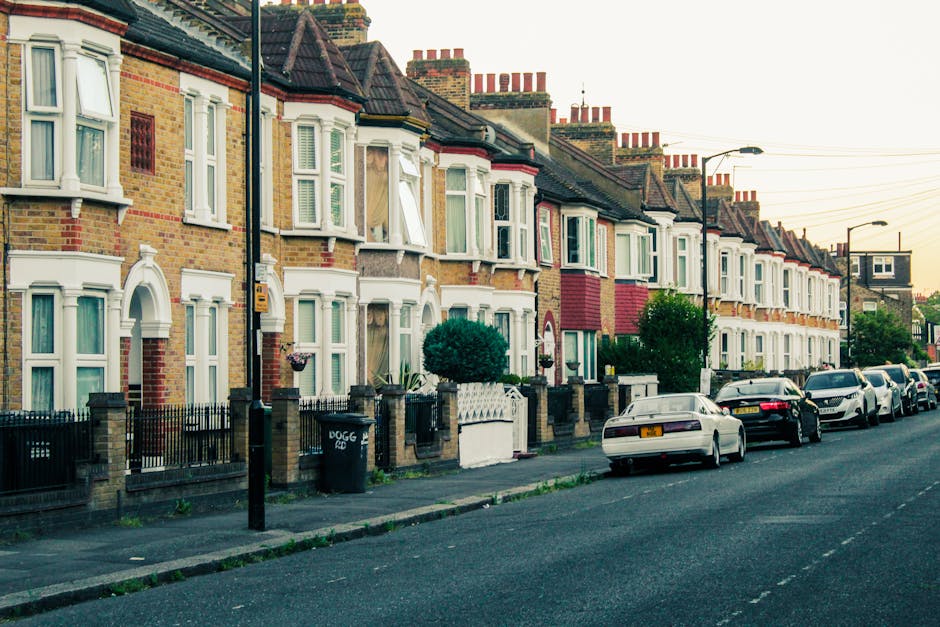
Parking is one of the most overlooked parts of a move. People spend days sorting boxes, wrapping crockery, and arguing with tape that never behaves properly, then leave the vehicle access plan to the last minute. That is where problems start. In Haringey, as in many parts of London, streets can be tight, parking restrictions can be active all day, and loading space may be limited. If the vehicle cannot stop legally and safely, the move slows down immediately.
This matters for more than convenience. Poor parking arrangements can lead to missed slots, extra carrying distance, traffic obstruction, neighbour complaints, or penalty charges. It can also add stress for the team doing the lifting. If you are moving a sofa up three floors, the last thing you need is to carry it an extra 40 metres because the vehicle had to park far away. Small detail, big difference.
For businesses, the stakes can be even higher. An office move or stock transfer often has a narrow schedule, shared access, and more pressure to keep entrances clear. The right parking plan helps protect your timeline and keeps the move from becoming a repeated back-and-forth around the block.
Expert summary: the best move is not just the one with enough boxes. It is the one where access, timing, and vehicle parking have been thought through before anyone starts lifting.
How Haringey Council Permit Guide for Removals and Parking Works
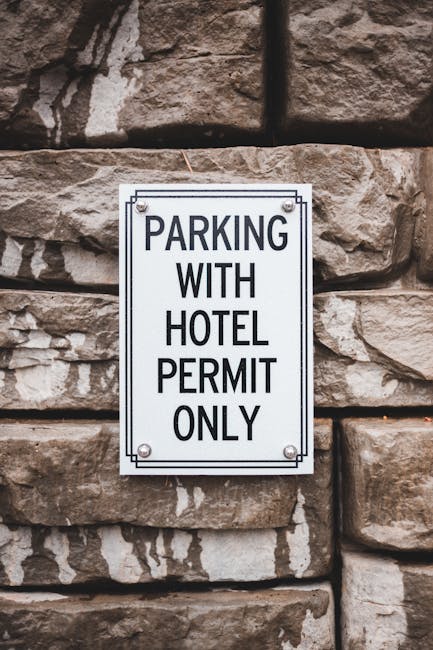
At a practical level, the process usually comes down to matching the vehicle and the move to the street conditions on the day. In many London boroughs, that means checking whether the vehicle can stop in a bay, whether loading is allowed, whether restrictions apply, and whether any temporary permission is needed. For a removals vehicle, this may involve a parking suspension, a visitor or temporary permit arrangement, or simply planning around legal loading activity if that is permitted where you are moving.
The important thing is not to assume. One road in Haringey may be relatively straightforward while another nearby street has permit-only bays, controlled hours, or loading restrictions that are easy to miss if you are rushing. You might think, "It's only 20 minutes." The council and the parking enforcement officer, understandably, may not share that optimism.
For removals, the question is usually not only can the vehicle park? but also how long can it stop, where can it stop, and at what time? Those are slightly different questions, and each can affect the moving plan. A loading area may be available for short stops, while some streets may require advance booking or written approval for a bay suspension. The exact arrangement depends on the location and timing, so it is always worth confirming early.
If you are booking a mover, it helps to choose a team that understands local parking realities and can coordinate the vehicle size, arrival time, and load-out plan accordingly. A well-run move should feel ordered, not improvised.
Key Benefits and Practical Advantages
When parking is handled properly, the whole move feels lighter. Not literally, obviously, but in every way that matters.
- Less risk of penalties: the vehicle is less likely to be parked in a restricted spot or left in a loading area longer than allowed.
- Faster loading and unloading: shorter carrying distances save time and reduce fatigue.
- Better safety: fewer awkward manoeuvres, less street congestion, and lower risk of damage to furniture, doors, or vehicles.
- Cleaner communication: everyone knows where the van is stopping and when.
- Lower stress on the day: which, truth be told, is worth a great deal on its own.
There is another benefit that people underestimate: goodwill. If your movers are organised and the vehicle is parked responsibly, neighbours and building managers are usually much easier to deal with. Nobody loves a blocked driveway at 8:15 on a weekday morning. It is a small thing, but it shapes how the day feels.
For larger or more complicated jobs, this kind of planning also improves cost control. Fewer delays can mean fewer paid hours, less idling, and less need for repeated trips. If you are comparing moving options, it is sensible to look at more than the headline price. Reliable planning often saves money in ways that are easy to miss at first glance. You can see how a well-structured service approach supports that through pricing and quotes and the wider range of removal services.
Who This Is For and When It Makes Sense
This guide is useful for anyone moving in Haringey where vehicle access is not completely simple. That covers more people than you might expect.
- House movers: especially if you live on a terraced street, a busy high street, or a road with permit controls.
- Flat and apartment residents: where shared entrances, visitor bays, or tight time windows can complicate parking.
- Office relocations: where loading needs to be done quickly and without blocking staff, customers, or deliveries.
- Man and van customers: when a smaller vehicle may still need a legal stopping point near the property.
- Landlords and agents: helping tenants or owners move out with less disruption.
- Anyone moving bulky items: one wardrobe or a full house, it still needs space.
If you are moving from a home with easy driveway access, you may need very little planning. But if you are in a permit-only street, a conservation area, a busy parade, or somewhere with narrow access, the permit and parking side deserves proper attention. The difference between "fine" and "frustrating" is often one parking decision.
For many households, it makes sense to combine this planning with broader removal support such as home moves, house removals, or a smaller-scale man and van arrangement if the job is lighter. For commercial customers, commercial moves and office removals may be the better fit.
Step-by-Step Guidance
Here is a straightforward way to handle removals parking in Haringey without overcomplicating it.
- Check your property access first. Look at the street, entrance, and nearby parking. Ask yourself whether a van can stop close enough to make loading realistic.
- Identify restrictions. Notice any permit bays, yellow lines, loading signs, time limits, or resident-only spaces. If something looks unclear, treat it as unclear. That is safer.
- Estimate the moving vehicle size. A small van, medium van, or larger removal truck will affect where you can legally stop. The bigger the vehicle, the more important the parking plan becomes.
- Decide whether you need a permit, suspension, or simple loading arrangement. This depends on the location and the move type. For some roads, a legal loading stop may be enough. For others, advance permission may be needed.
- Book early. Do not leave it to the week of the move if you can avoid it. Park and access arrangements often go hand in hand with move dates and can be harder to fix at short notice.
- Share details with your mover. Tell them about steps, entry codes, parking restrictions, lift access, and how far the van can reasonably get to the door.
- Prepare the property. Clear hallways, protect floors, and make sure the load path is usable. If the vehicle has to stop a little further away than hoped, at least the internal route is smooth.
- Confirm the plan on the day before the move. A quick final check can catch last-minute issues such as roadworks, events, or a neighbour's booked contractor occupying the space.
One practical tip: take a photo of the parking space or street view if you are unsure. It helps you explain the situation to the moving team. It also stops the classic "I thought it was just round the corner" problem, which happens more often than people admit.
Expert Tips for Better Results
In our experience, the most successful moves are the ones that sound slightly boring beforehand. Boring is good. Boring usually means organised.
First, build a buffer into the schedule. Parking arrangements can take a little longer than planned, especially in busy parts of London. If the vehicle arrives and the bay is occupied, someone may need to wait or adjust. A bit of slack in the timetable helps keep tempers down.
Second, think in carry distance, not just postcode. Two addresses can be equally central, yet one has a clean stopping point and the other involves stairs, a narrow road, and a long walk from the nearest legal space. That changes the job more than most people expect.
Third, match the vehicle to the access. Sometimes a smaller van is smarter than a larger truck because it can park closer and reduce time on foot. Other times, a bigger vehicle is still the better choice because the volume justifies it. There is no one-size-fits-all answer here.
Fourth, protect neighbours and building users. If you are moving in a block, let people know there may be temporary loading activity. It is a tiny gesture, but it often prevents friction. Funny how a polite note can save a whole morning.
Fifth, keep documents and contacts close. If parking permission has been arranged, keep the relevant confirmation handy. If the plan changes, you want to be able to explain it quickly.
For more reassurance around care, handling, and vehicle standards, it can help to review a company's insurance and safety approach and its wider health and safety policy. That sort of detail matters more than flashy promises.
Common Mistakes to Avoid
These are the errors that cause most parking headaches on moving day.
- Assuming short stops are always okay. A van parked "just for a minute" can still be a problem if the restriction does not allow it.
- Leaving permit checks too late. Last-minute parking planning tends to create stress and rushed decisions.
- Ignoring the size of the vehicle. A small car can tuck into places a removals van simply cannot.
- Forgetting about access for unloading. The parking space is only half the story; the route from vehicle to front door matters too.
- Not telling the mover about the street layout. Hidden dips, narrow corners, one-way access, and height restrictions can all affect the plan.
- Assuming the same rules apply across the borough. They often do not. Roads can vary street by street.
Another common slip is treating parking as a purely admin problem. It is more than that. Parking shapes timing, lifting effort, and even how your belongings are handled. If the team has to rush because the bay is awkward or time-limited, the risk of bumps and scuffs goes up. Nothing dramatic, just enough to be annoying. And moving day already has enough of that.
Tools, Resources and Recommendations
You do not need a complicated toolkit, but a few practical items help a great deal.
- A printed or saved move plan: include the address, access notes, and parking instructions.
- Street photos or screenshots: useful for visualising the parking situation.
- Measuring tape: helpful if you are checking whether large furniture or a wider van can fit through access points.
- Labels and markers: not about parking directly, but they speed up loading, which reduces the time the vehicle needs to stay put.
- Blankets, straps, and protective wraps: keep items stable so loading and unloading are quicker and safer.
For service planning, a good mover should offer clear guidance on booking and preparation. If you want support with the packing side as well, packing and unpacking services can make a noticeable difference. And if you are comparing vehicle options, take a look at moving van, man with van, or moving truck support depending on the scale of the job.
If your move has a mixed load, say furniture plus appliances plus a few awkward boxes, the right combination of vehicle and access planning usually beats simply choosing the biggest vehicle available. Bigger is not always better. A smaller, better-placed van can be far more efficient.
Law, Compliance, Standards, or Best Practice
Parking for removals sits in a space where common sense, local rules, and road safety all overlap. You do not need to become a parking law expert to move house, but you do need to respect the restrictions in place. In UK practice, the main principle is simple: park only where stopping is allowed, and use loading facilities only within the terms that apply.
For removals teams, best practice is to plan ahead, avoid obstruction, and minimise disruption to pedestrians, residents, and other road users. This is especially important on narrow London streets, near junctions, or where visibility is limited. Even when a stop feels brief, a badly positioned vehicle can create real risk.
If permits or temporary parking arrangements are involved, they should be handled in a way that aligns with local council expectations. Because council procedures can change, and because individual streets may differ, the safest approach is to verify details before the move rather than rely on memory or old advice. A "that should be fine" approach is not much of an approach at all.
Good practice also includes keeping the move compliant with insurance conditions, using well-maintained vehicles, and following safe lifting methods. That is one reason some customers prefer a mover who is transparent about standards and working methods. You want the whole job to be properly handled, not just technically possible.
Options, Methods, or Comparison Table
Different moves need different parking approaches. Here is a simple comparison to help you decide what is most likely to suit your situation.
| Approach | Best for | Advantages | Watch-outs |
|---|---|---|---|
| Legal loading stop | Short, straightforward moves with good access | Simple, quick, often enough for lighter jobs | Time limits and signage still need checking |
| Temporary parking permission or suspension | Busy streets, permit bays, or tighter access zones | Creates a clearer, more controlled loading area | Needs advance planning and confirmation |
| Smaller vehicle close to entrance | Homes with narrow roads or limited stopping space | Reduces carry distance and can improve flexibility | May require more care with volume and load planning |
| Larger removals vehicle with full planning | Full house moves or larger commercial jobs | Efficient for bigger loads and multiple items | Needs more space and stronger parking coordination |
There is no universal winner. The best option depends on the property, the road, the vehicle size, and how much you need to move. If you are unsure, it is usually safer to plan for a slightly harder parking scenario than to assume the easiest one.
Case Study or Real-World Example
Imagine a typical weekday move in Haringey. A couple is leaving a first-floor flat on a street with limited parking and regular through traffic. The front entrance is only a short distance from the road, but the nearest obvious bay is permit-controlled and often busy. They initially think the van can just pull up for a few minutes. On the day, though, a delivery vehicle is already in the best spot, and the second-best option would have meant blocking traffic. Not ideal.
Because the access was checked in advance, the movers already had a plan. They arrived at the agreed time, used a legal loading position, and kept the distance from van to front door manageable. The couple had packed and labelled items properly, so the loading sequence was quick. No frantic searching for keys, no chaos in the stairwell, just a steady rhythm of boxes, furniture, and a bit of tape squeaking as it was peeled off the final cartons.
The move still took effort, of course. Moves always do. But the parking side was controlled, which meant the rest of the day had a chance to work. That is usually the difference between a move that feels overwhelming and one that feels, well, merely busy.
Practical Checklist
Use this checklist before moving day. It is simple on purpose.
- Confirm the moving date and time.
- Check whether the street has permit bays, loading restrictions, or timed controls.
- Decide what size vehicle is likely to be needed.
- Check whether a parking permit, bay suspension, or loading arrangement may apply.
- Share entry details, floor level, and access notes with the mover.
- Measure awkward items and check the route inside the property.
- Prepare boxes so loading is quick and efficient.
- Keep confirmation details for any parking arrangement accessible on the day.
- Allow a little extra time for arrival, setup, and possible traffic delays.
- Tell neighbours or the building manager if the move may affect shared access.
If you are organising a larger job, it can also help to review the moving team's wider service range, such as removals, removals near me, or removal company, so you know the support matches the scale of the move.
Get a free quote today and see how much you can save.
Conclusion
A good move in Haringey starts with a sensible parking plan. Once you have that sorted, everything else becomes easier to manage: loading, timing, safety, and the general mood of the day. That is the real value of understanding removals permits and parking rules. It is not paperwork for paperwork's sake. It is the quiet bit of preparation that keeps a move from wobbling.
If you remember only one thing, make it this: check access early, match the vehicle to the street, and keep the plan simple enough that everyone can follow it without guesswork. That alone can save time, money, and a fair bit of stress. And on moving day, that is a very welcome thing indeed.
Frequently Asked Questions
Do I need a permit for removals and parking in Haringey?
Sometimes, but not always. It depends on the street, the parking restrictions, the type of vehicle, and how long it needs to stop. Some moves may only need a legal loading arrangement, while others may require advance permission.
Can a removals van stop on yellow lines for loading?
Not automatically. Loading rules are specific, and they depend on the restrictions displayed on the street. You should always check the signage and avoid assuming that a short stop is allowed.
How far in advance should I sort parking for my move?
As early as you can, especially if you are moving on a busy road or in a permit-controlled area. Leaving it until the last few days tends to create avoidable pressure.
What happens if the van cannot park near my property?
The team may need to park further away and carry items a longer distance. That usually means more time and effort, and it can affect the overall move plan.
Is a smaller van better for Haringey streets?
Not always, but it can be helpful where access is tight. A smaller vehicle may park more easily, although the overall load size still needs to be considered.
Should I tell my movers about local parking restrictions?
Yes, absolutely. Even small details like permit bays, loading times, or one-way access can make a major difference on the day.
Do office moves need the same parking planning as house moves?
Often more. Office relocations can have stricter time windows, larger volumes, and more people affected by access issues. Good planning is even more important there.
What is the biggest mistake people make with moving parking?
Assuming it will sort itself out on the day. Parking almost never sorts itself out. It needs a plan, even if the plan is fairly simple.
Can I use a man and van service for a flat move in Haringey?
Yes, many people do, especially for smaller or medium-sized moves. It can be a practical choice if your load is manageable and the access plan is clear.
How can I make loading and unloading faster?
Pack and label boxes properly, clear access inside the property, and make sure the vehicle can stop as close as possible to the entrance. A little preparation makes a big difference.
What should I do if parking permissions are unclear?
Do not guess. Clarify the restrictions or choose a more cautious plan. A safe, legal stop is better than a rushed assumption.
Is parking planning relevant for furniture collection too?
Yes. Even a single-item pickup can be awkward if the vehicle cannot stop nearby. If the item is bulky or heavy, access matters just as much as volume.
For more about the team behind the service, you can also read our about us page or review the practical details in our terms and conditions. If you need to discuss a move directly, the contact us page is there when you need it.