Crouch End Removals Guide for Narrow Streets
Posted on 26/05/2026
If you are planning a move in Crouch End, you already know the main challenge is not always the lifting. It is the streets. Tight corners, parked cars, bay restrictions, short frontages, and the occasional awkward staircase can turn a simple removal into a bit of a puzzle. This Crouch End Removals Guide for Narrow Streets is built for exactly that situation: a practical, local, no-nonsense guide to moving safely and efficiently when access is tight and every minute matters.
Truth be told, narrow streets change the whole shape of a move. The best plan is rarely the biggest van or the fastest crew. It is the one that fits the road, the property, and the day. In the sections below, you will find step-by-step advice, common mistakes to avoid, realistic planning tips, and a clear checklist you can actually use. If you want broader context on service choices, it can also help to browse the full overview of removal services and the more specific man and van options in Haringey before you book.
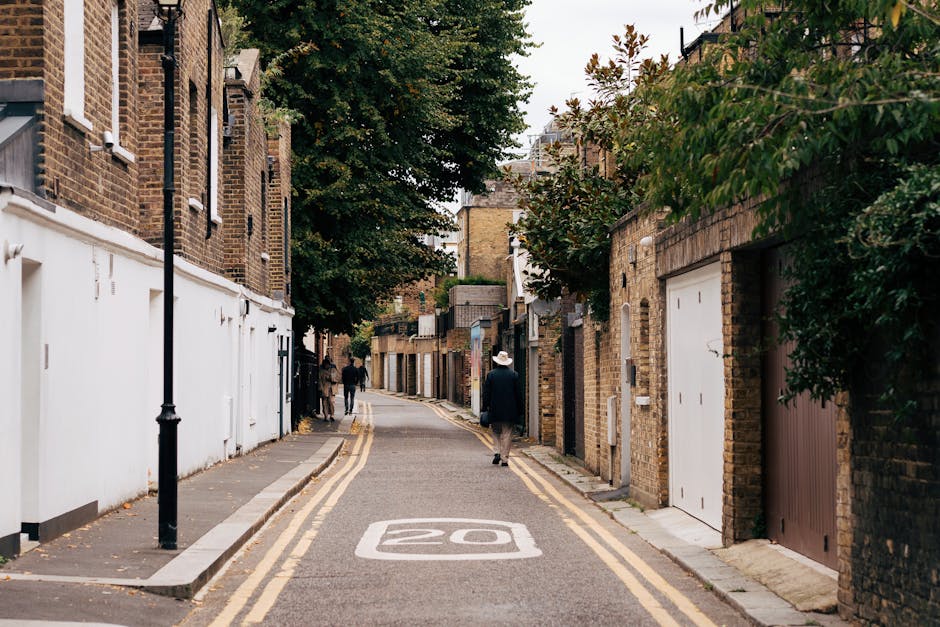
Why Crouch End Removals Guide for Narrow Streets Matters
Crouch End has a very specific feel. It is lively, residential, a little characterful, and yes, often not built for modern moving lorries trying to swing into position on a busy morning. That matters because access affects almost every part of a removal: vehicle size, loading time, parking, neighbour relations, and how safely furniture can be carried from door to van.
Narrow streets can create a domino effect. If a van cannot stop near the property, the team may need longer carries. Longer carries mean more time. More time can mean more labour, more disruption, and more risk if the route includes kerbs, steps, or awkward corners. A move that looked straightforward on paper can suddenly feel like a small expedition. You know the sort of thing - the sofa is technically measurable, but the hallway is doing something weird at the landing. Classic.
This is why local knowledge matters so much. A good moving plan in Crouch End should consider road width, parking access, the time of day, whether the property sits on a steep or angled street, and whether there is anywhere legal and sensible to wait while loading. For readers comparing options, the local removals in Haringey page gives a useful sense of the wider service landscape, while the house removals service is more relevant if you are moving from a whole property rather than a single flat.
Expert summary: In narrow-street moves, the winning strategy is usually not speed. It is preparation: the right vehicle, the right parking plan, and the right team sequence from front door to unloading point.
How Crouch End Removals Guide for Narrow Streets Works
At a practical level, moving in a tight street is about reducing friction before the van even arrives. The process normally starts with a quick assessment of the property and access route, then continues through packing, vehicle selection, parking positioning, and final handover at the destination. Simple in theory, slightly fiddly in real life.
Here is the basic flow that experienced movers tend to follow:
- Assess access - Check road width, parking options, staircases, doorway clearance, lift access, and any obvious pinch points.
- Match the vehicle - Choose a van size that can actually reach the property and load efficiently, rather than over-committing to a larger vehicle that may struggle.
- Prepare the load - Disassemble bulky items, label boxes clearly, and keep essentials separate.
- Plan the parking - Consider kerb space, permits, double yellow lines, and the best point for safe loading.
- Control the carry route - Protect floors, keep doorways clear, and reduce trips back and forth.
- Unpack strategically - Place key items first, then build around them so the new home does not become a maze of boxes by lunchtime.
In practice, the move often improves dramatically when the first 10 minutes are spent getting the van in the right spot. If you are moving a flat with stairs or limited lift access, it may be worth reviewing the specialist guidance on flat removals in Haringey and the packing support offered through packing and boxes services. Those two things alone can save a surprising amount of stress.
Key Benefits and Practical Advantages
A well-planned narrow-street removal in Crouch End does more than save time. It reduces the chance of damage, helps you stay within any parking constraints, and makes the day feel far more manageable. That last bit sounds soft, but it matters. A move is already one of those days where the kettle is packed, the phone charger is missing, and everyone is a bit on edge.
- Less disruption to neighbours because loading is quicker and more organised.
- Lower risk of breakages thanks to shorter carry routes and clearer handling plans.
- Better time control because the move is planned around realistic access, not wishful thinking.
- Fewer parking problems when the vehicle size and stop point are chosen with the street in mind.
- Less physical strain on everyone involved, especially for heavy items and awkward stairs.
- Cleaner arrival at the destination because organised packing and labelling make unloading faster.
There is also a commercial advantage if you are comparing quotes. When a mover understands narrow-street logistics properly, the estimate is often more accurate. That can help avoid the unpleasant surprise of a job running longer than expected. If budgeting is part of your planning, the pricing and quotes page is a sensible place to start.
Who This Is For and When It Makes Sense
This guide is useful for anyone moving within or out of Crouch End, but it is especially relevant if your property sits on a street where parking is tight, traffic is frequent, or the pavement space is limited. In other words, quite a lot of Crouch End.
You will benefit most if you are:
- moving from a top-floor flat with awkward stair access
- relocating family furniture from a terraced house with limited kerb space
- moving items that are large, heavy, or fragile
- trying to coordinate a same-day move with a narrow arrival window
- working around residents, delivery traffic, or school-run congestion
- moving on a tight budget and want to avoid paying for avoidable delays
It also makes sense for students and first-time movers who may not yet know how much access affects the day. If you are in that group, the student removals service can be a practical fit, particularly for smaller loads and shared accommodation moves. For time-sensitive jobs, same-day removals in Haringey may be worth exploring, but only if the access is planned carefully. Same day sounds simple. It rarely is, if the road is tight and the box mountain is still growing at 8am.
Step-by-Step Guidance
1. Check the street before you book
If you can, stand outside the property at the time you expect the move to happen. Morning traffic, school runs, bin collections, and parked cars all change how the street behaves. A route that looks manageable at 2pm might be a different story at 8:30am.
2. Measure the awkward items
Measure beds, sofas, wardrobes, mirrors, and any item with a shape that does not love corners. Door widths matter too. So do stair turns. If it feels borderline, dismantling may be wiser than forcing the issue. It is one of those "save ten minutes now, risk an hour later" moments.
3. Decide what should be packed first
Pack non-essentials early: books, seasonal items, spare bedding, decor, and off-season clothes. Keep the final-day essentials separate in a clearly marked bag or box. A mug, phone charger, medication, documents, and tea things can make the first night feel civilized rather than chaotic.
4. Reserve the best loading position
Where possible, plan the van position so the carry is short and straight. If a legal parking space is available close to the door, use it strategically. If not, the team may need a different loading method. This is where professional judgment pays off.
5. Protect the route
Floor protection, corner guards, and blankets are not glamorous, but they are the quiet heroes of moving day. A scuffed banister or damaged threshold is the sort of thing nobody wants to discover later in daylight.
6. Load in the right order
Heavier, sturdier items usually go in first, with fragile pieces secured carefully and smaller boxes filling the gaps. This keeps the load stable and helps avoid shifting in transit.
7. Unload with the destination in mind
Think about where items should land before the first box comes off the van. Bedrooms, kitchen, and essentials box first. That way you are not re-handling everything twice, which is a tiny misery best avoided.
If your move includes furniture that needs careful wrapping or handling, the furniture removals service is directly relevant. For particularly delicate or high-value items, it can also be sensible to review insurance and safety information before moving day.
Expert Tips for Better Results
After enough moves, a pattern emerges. The jobs that go well usually share the same habits: clear communication, fewer surprises, and a refusal to leave things until the last minute. Nothing wildly dramatic. Just good basics done properly.
- Use colour labels for boxes by room. It is quicker than reading every label when everyone is tired.
- Keep the hallway clear at both ends. A narrow street move gets messy fast if the entrance becomes a bottleneck.
- Separate fragile items from general boxes, even if they are small. Tiny framed pictures and heavy books do not make good roommates.
- Tell the movers about stairs, restricted access, or awkward angles before the day. Surprises slow everything down.
- Book earlier if possible for Friday, month-end, and school holiday periods. Demand tends to bunch up then.
- Have one point of contact for the move so instructions do not get diluted across three family group chats and a neighbour with opinions.
A useful little rule: if an item would be annoying to replace, treat it as fragile even if it is technically sturdy. That usually saves headaches. And yes, bubble wrap is still worth the cupboard space.
For people moving between properties with short turnaround times, temporary storage in Haringey can be a sensible bridge when access issues or completion delays get in the way. It is not flashy, but it can prevent a rushed, risky move.
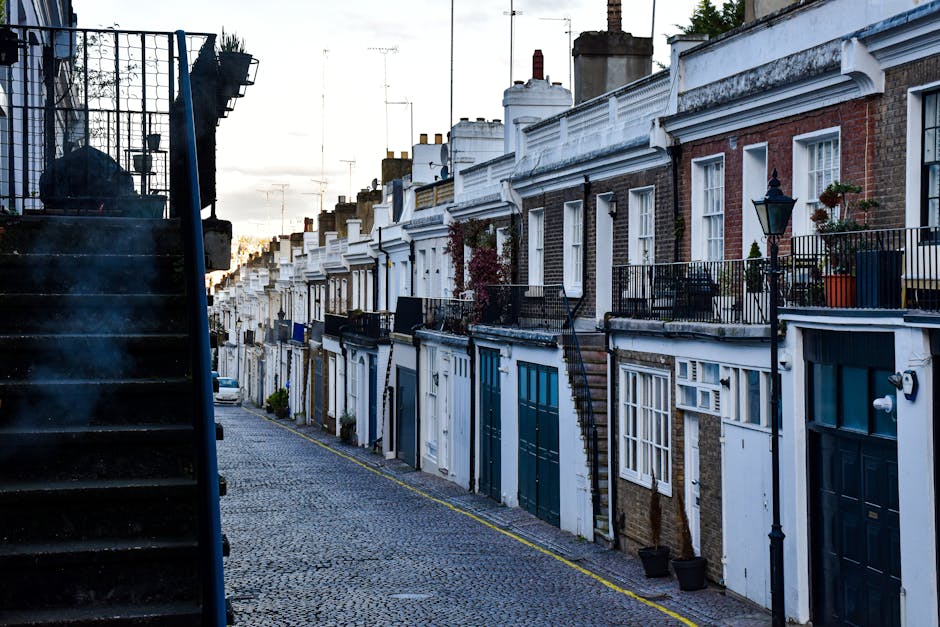
Common Mistakes to Avoid
Small access problems turn into big delays when they are ignored. Most move-day issues are actually predictable. That is the frustrating bit, to be fair.
- Booking a van that is too large for the street, which creates parking and manoeuvring problems.
- Assuming access will be fine because it looked okay on a previous visit.
- Not checking parking restrictions or local loading rules before move day.
- Leaving dismantling too late, especially for wardrobes and bed frames.
- Packing without a room plan, which makes unloading slower and more chaotic.
- Underestimating carry distance from the van to the front door.
- Forgetting to protect the property with covers, runners, or basic floor care.
One surprisingly common issue is the "it should fit" assumption. It often sounds reasonable, then the wardrobe hits the stair turn and suddenly everyone is trying to solve geometry with a piece of furniture. Not ideal.
Another mistake is choosing service level only by price. A cheaper option may work very well for simple access, but for narrow streets and awkward loading, the right equipment and experience can matter more than shaving a small amount off the quote. If you want to compare moving support in a more rounded way, the wider removal companies in Haringey overview can help you think through service fit, not just headline cost.
Tools, Resources and Recommendations
You do not need a massive toolkit to move well in a narrow street, but a few basics make the job far smoother. Some are professional tools, others are simple household items that do an underrated amount of work.
| Item | Why it helps | Best use |
|---|---|---|
| Furniture blankets | Reduce scratches and impact damage | Sofas, tables, wardrobes, drawers |
| Webbing straps | Keep loads secure and reduce movement | Van loading and heavy item transport |
| Floor protection | Helps prevent scuffs and dirt transfer | Hallways, stairs, and entrances |
| Labels or colour stickers | Makes unloading quicker | Room-by-room box organisation |
| Clear plastic bags | Useful for fittings and screws | Furniture dismantling and reassembly |
| Head torches or portable lights | Handy in dim stairwells or early starts | Winter moves and shaded entrances |
It is also worth using planning tools that are not strictly "moving tools". A simple phone note with item counts, room labels, access details, and key contact numbers can be more valuable than an expensive gadget. Old-school works.
For people who want a better sense of local living and neighbourhood context, the Haringey residents' perspective and the local area guide are useful reading. They are not removal manuals, but they do help you understand the rhythms of the area, which can be surprisingly helpful when planning timing and access.
Law, Compliance, Standards, or Best Practice
For most domestic removals, the key issues are less about obscure law and more about sensible compliance and good practice. That said, a move in a public street does need to respect local parking rules, loading restrictions, and safety expectations. If you are arranging a van to stop near a property, it is wise to confirm what is permitted in that specific location rather than assuming short-term loading will be fine.
Best practice usually includes:
- parking only where lawful and safe
- avoiding obstruction of pedestrians, neighbours, and emergency access
- using appropriate manual handling techniques
- protecting the property and common areas during loading
- being clear about responsibility for items, access, and timing
For a professional service, it is also sensible to check insurance cover, complaint handling, and terms before booking. That is especially true if you are moving valuable furniture, instruments, or office equipment. The pages on terms and conditions, health and safety policy, and complaints procedure are worth reviewing if you want the practical detail behind the service promise.
For commercial or sensitive jobs, a provider that takes safety and fair handling seriously is a better fit than one that just says "yeah, no problem" to everything. Honestly, that answer is sometimes a warning sign.
Options, Methods, or Comparison Table
Different moves need different approaches. The best method depends on property type, access, volume, and budget. Here is a simple comparison.
| Option | Best for | Strengths | Limitations |
|---|---|---|---|
| Man and van | Small-to-medium moves, tight streets | Flexible, practical, easier to position in narrow roads | May require more trips for larger loads |
| Full removals team | Whole-house moves or heavy furniture | More hands, faster loading, better for bulky items | Needs more coordination and can be costlier |
| Self-move | Very small loads or short distances | Lower direct cost if you already have help | Higher personal effort, more risk in awkward access |
| Storage plus phased move | Delayed completion or cluttered properties | Reduces pressure and keeps move flexible | Extra step and possible extra cost |
For a lot of Crouch End properties, a well-organised man with a van in Haringey setup is often the sweet spot. It gives flexibility without overcomplicating things. If the move includes a full property or a denser load, a dedicated house removals service may be the better call.
Case Study or Real-World Example
Here is a realistic example based on the kind of move people often face in Crouch End. A couple living in a first-floor flat with a narrow front access path needed to move into a house across Haringey. Their biggest concerns were a sofa that barely fit the hallway turn, a chest of drawers, and a collection of fragile kitchen items.
Instead of trying to do everything in one exhausting push, they split the job into three parts. First, they measured the awkward furniture and dismantled the bed in advance. Second, they packed the kitchen separately and labelled the essentials box clearly. Third, they arranged the van time for a quieter part of the day, which made loading less stressful because the street was not as crowded with parked cars.
What made the biggest difference was not any one dramatic trick. It was the little things: knowing which items needed blanketing, keeping the stairwell clear, and deciding which boxes should come out first at the new property. The movers spent less time repositioning items, and the couple avoided that end-of-day feeling where you are sitting on an upturned laundry basket wondering where the kettle went.
That kind of outcome is typical when access is considered early. Not guaranteed, of course, but much more likely.
Practical Checklist
Use this as a quick pre-move check for narrow streets in Crouch End.
- Confirm the exact moving date and time window
- Walk the route from front door to van space
- Check parking restrictions and loading options
- Measure large furniture and stair turns
- Decide what needs dismantling
- Label boxes by room
- Pack a clearly marked essentials bag
- Protect floors and door frames
- Tell neighbours if the move may affect shared access
- Keep important documents and keys separate
- Review insurance, safety, and booking terms
- Plan what should be unloaded first at the new place
Practical takeaway: if you sort access, packing, and parking before the day arrives, you remove most of the stress that narrow streets create. The rest is just controlled carrying and a bit of patience.
Conclusion
A move in Crouch End does not have to be complicated, but narrow streets do reward careful planning. The right van size, a realistic parking plan, clear labels, and a sensible loading sequence can make a huge difference to how calm the day feels. That is really the whole point: fewer surprises, less damage risk, and a move that works with the street instead of fighting it.
If you are deciding between service options, take a moment to compare access needs, item sizes, and timing before you commit. A little attention now can save a lot of running about later. And if you want a smoother, more organised move, the supporting pages on removal services, removal vans, and about the company can help you decide whether the service feels like the right fit.
Get a free quote today and see how much you can save.
And if all you manage today is a well-packed essentials box and a clear front path, that is still a good start. Moves have a way of sorting themselves out once the planning is honest.