Haringey Removals for Narrow Victorian Stairs Common Problems
Posted on 26/06/2026
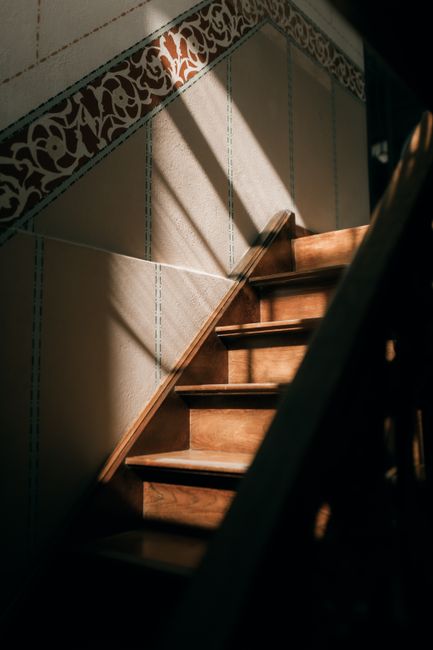
Moving in Haringey can feel straightforward until you meet the staircase. Victorian homes look lovely from the street, but inside, the stairs can be steep, twisty, narrow, and unforgiving. That is where Haringey Removals for Narrow Victorian Stairs Common Problems becomes more than a search term; it becomes the difference between a calm move and a day full of awkward angles, scuffed walls, and one very stuck sofa.
If you are planning a flat move, a family move, or even shifting a single heavy item into a period property, the common problems are usually predictable. The good news? So are the solutions. In this guide, we break down what typically goes wrong, how experienced movers handle tight stairwells, and what you can do before moving day to save time, money, and a fair bit of stress. To be fair, Victorian stairs have a personality of their own.
Whether you are comparing flat removals in Haringey, looking at a broader Haringey removals service, or trying to work out whether your furniture will even fit around the turn, this article is built to help you make better decisions.
Why Haringey Removals for Narrow Victorian Stairs Common Problems Matters
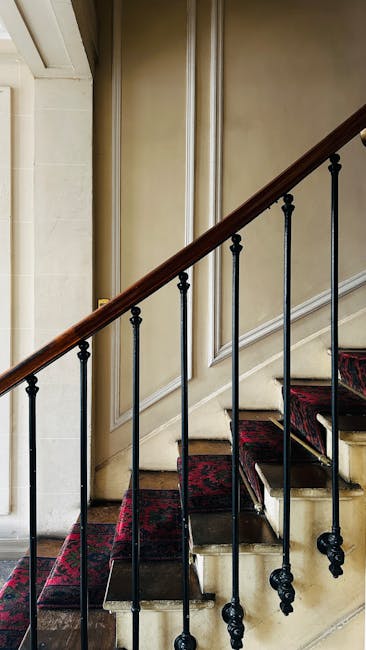
Victorian properties in Haringey are part of the area's charm, but the charm comes with practical headaches. Staircases in older buildings are often steep, compact, and built long before modern furniture sizes became a thing. That means the usual removal day problems tend to show up in the same places: landing corners, bannister clearances, low ceilings, and sharp turns that make even a modest wardrobe behave like a grand piano.
This matters because access issues affect more than lifting. They influence timing, crew size, packing choices, vehicle size, parking needs, insurance cover, and whether certain items should be dismantled before the move begins. A move that looks simple on paper can turn into a bottleneck if nobody has measured the stair width or checked the turning space at the top of the stairs. And then there is the lovely surprise of a picture rail or narrow hallway catching a bed frame when nobody expected it.
For local residents, this is especially relevant in flats and converted houses where access can be tighter than the property listing suggested. If you are also moving out of a building with shared access or limited parking, it helps to read up on the full range of removal services before you book. The right service type can make a real difference in how the move is planned.
In plain English, narrow stairs are not a minor inconvenience. They are one of the main reasons moves go over time, over budget, or both.
How Haringey Removals for Narrow Victorian Stairs Common Problems Works
A good stair-aware removal is less about brute strength and more about preparation. The process usually starts with access questions: How wide is the staircase? Is there a bend or half-landing? Are there banisters on both sides? Can large items be taken down upright, or do they need to be rotated? Do the movers need parking close by for faster loading and unloading?
From there, the team decides what can be moved as-is and what should be dismantled first. Beds, wardrobes, dining tables, and shelving often move more safely in pieces. Sofas are checked for arm width, frame depth, and whether they can be turned corner-first without damaging the stairwell. If the item is especially awkward, movers may use protective wrapping, shoulder straps, extra hands, or a different route through the property. Sometimes the smartest route is not the most obvious one.
In well-run jobs, the planning happens before the van is loaded. That is why reliable providers of man and van Haringey support, or a more complete removal services package, are worth considering when the access is tight. The mover should be thinking about the building layout, not just the mileage.
Usually, the work flows like this:
- Pre-move assessment: photos, measurements, and a discussion of difficult items.
- Protection setup: door frames, bannisters, corners, and floors are covered where needed.
- Item preparation: furniture is dismantled, wrapped, and grouped in load order.
- Careful stair movement: awkward items are carried with controlled turns, not rushed.
- Loading and check-off: items are counted, secured, and matched to the delivery list.
That is the ideal version, anyway. Real staircases can still throw curveballs, especially in older terraces where walls are a bit uneven and the stairwell narrows near the top.
Key Benefits and Practical Advantages
The biggest benefit is simple: fewer problems on moving day. But there are several practical advantages that matter just as much.
- Reduced damage risk: careful planning means less chance of chipped plaster, dented banisters, or scratched furniture.
- Faster handling: when movers know the access issues in advance, they can bring the right tools and enough people.
- Better use of time: avoiding surprise dismantling or stairway improvisation keeps the move on track.
- Safer lifting: narrow stairs increase the chance of slips, twists, and strained backs if items are not handled properly.
- More accurate quotes: the more access detail you provide, the less likely you are to face unpleasant add-ons later.
There is also a less obvious benefit: peace of mind. If you have ever watched two people try to pivot a mattress around a tight turn while keeping it off a freshly painted wall, you know the emotional value of preparation. It is not glamorous, but it is real.
If you are especially concerned about what can and cannot be moved safely, insurance and safety guidance is worth reviewing before the move. Good planning and good cover go hand in hand.
Who This Is For and When It Makes Sense
This kind of removals planning makes sense for almost anyone moving in or out of a Victorian property, but it becomes essential in a few situations.
- Flat tenants in converted houses: these homes often have narrow common hallways and tight internal stairs.
- Families moving larger furniture: wardrobes, cots, bunk beds, sofas, and dining sets are the usual troublemakers.
- Students and first-time movers: even if the load is light, awkward stair access can still create delays.
- Homeowners clearing out before sale or renovation: one large item can be more difficult than a full box load.
- Anyone moving heavy or delicate items: pianos, antique furniture, mirrors, and artwork need a careful approach.
It also makes sense if you live in an area where parking and access are already difficult. A local move in Haringey can still be surprisingly complex if the van has to park half a street away, or if the stairwell is too small for larger pieces.
For student moves, a smaller and more flexible option may be enough, which is why student removals in Haringey can be a sensible fit. For larger household moves, a more structured plan is usually safer.
Step-by-Step Guidance
If you want the move to go smoothly, the planning starts well before the van arrives. Here is a practical approach that works for narrow Victorian stairs.
1. Measure the awkward bits first
Do not just measure the front door. Measure the stair width, landing width, ceiling height, bannister space, and the tightest turn. If you can, measure the longest item too. A wardrobe that is two centimetres too wide on paper can become a major problem in a stairwell. Tiny gap, big headache.
2. Identify the items that need dismantling
Some furniture should almost always be broken down in advance. Bed frames, large tables, shelving units, and some wardrobes are easier to handle in parts. If you are unsure, photograph the item and ask the removals team whether dismantling is needed.
3. Clear the route completely
Move shoes, mats, plant pots, baskets, and anything else from the hallway and stairs. In older properties, even a small obstruction can cause a trip hazard or force a difficult item into the wall. The stair route should feel boringly empty.
4. Protect the building before lifting starts
Use floor runners, blankets, corner protection, and door-frame guards where appropriate. This is especially helpful in properties with fresh paint or fragile plaster. A single careless scrape can leave a mark that everyone notices later.
5. Load the vehicle in the right order
Items needed first at the new property should be accessible, and the largest or most awkward pieces should be positioned with care. Good load order saves time at the other end and reduces the number of times furniture has to be shifted.
6. Keep a calm, steady pace
Narrow stairs reward patience. Rushing usually creates the very problem you are trying to avoid. A little pause at the landing, a careful reposition, another small lift - that is often the safest way.
If timing is tight, same-day options can sometimes help, but only if the access challenge is understood clearly beforehand. See same day removals in Haringey if you need a quicker turnaround and want to compare what is realistic.
Expert Tips for Better Results
Here are the tips that tend to make the biggest difference in real moves. Not fancy stuff. Just the practical bits that save the day.
- Send stair photos early: pictures of the staircase, landings, and entrance are often more useful than a general description.
- Be honest about the awkward furniture: if the sofa is oversized or the wardrobe is awkwardly old, say so. Nobody wins by hiding that detail.
- Book enough hands: one extra pair of hands can change the pace completely on a tight staircase.
- Use proper wrapping: blankets, shrink wrap, and edge protection are worth it for period properties with delicate plasterwork.
- Check parking before the day: the closer the van can get, the less carrying over stairs and through communal areas.
- Consider storage if needed: if the new place is not ready, short-term storage can reduce pressure and avoid rushing.
It also helps to think about the move as two jobs: the physical carry and the access puzzle. When both are planned properly, everything feels easier. Funny how that works, really.
If you are comparing moving firms, look at the difference between general removal companies in Haringey and more tailored options. For stair-heavy moves, the detail matters more than the marketing.
Common Mistakes to Avoid
Most problems with narrow Victorian stairs come from a handful of avoidable mistakes. The list is predictable, which is comforting in a strange way.
- Assuming every sofa will fit: some simply will not, even if it looks like they should.
- Failing to measure properly: guessing stair width is not planning.
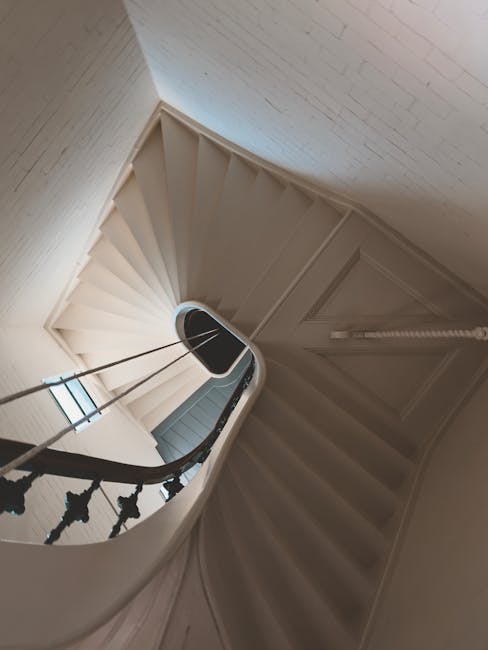
- Forgetting the landing turn: the biggest obstacle is often not the staircase itself, but the bend at the top or bottom.
- Not clearing the hallway: clutter slows down the crew and raises the risk of damage.
- Choosing the wrong vehicle or team size: a smaller, cheaper setup can cost more if the job drags on.
- Ignoring item weight: heavy furniture needs more control on stairs, not just more confidence.
- Leaving dismantling until moving day: that is how schedules unravel.
There is also a common emotional mistake: underestimating how tiring stairs can be. Even a short flight becomes draining when repeated ten, twelve, fifteen times. By the afternoon, everyone is a bit quieter. That is normal.
If you want to avoid unexpected charges, it is sensible to understand how access affects pricing. A helpful place to start is this guide to hidden removal costs, especially if you are comparing quotes.
Tools, Resources and Recommendations
You do not need a warehouse of equipment to handle a stair-heavy move, but a few items and habits can make a real difference.
| Tool or resource | Why it helps | Best used for |
|---|---|---|
| Furniture blankets | Protects corners, frames, and painted surfaces | Sofas, wardrobes, tables, mirrors |
| Stretch wrap | Keeps loose parts together and protects drawers or doors | Chest of drawers, shelving, small appliances |
| Ratchet or moving straps | Improves grip and control on awkward lifts | Heavy items on narrow stairs |
| Dismantling tools | Speeds up breakdown of beds and modular furniture | Flat-pack and assembled furniture |
| Floor and corner protectors | Reduces damage to hallways and tight turns | Older properties and shared access areas |
| Clear access photos | Lets the movers plan the job properly in advance | Quoting and pre-move assessment |
For larger items, especially anything fragile or unusually shaped, it may be worth checking specialist support such as furniture removals in Haringey or, for particularly delicate instrument moves, piano removals in Haringey. Those services exist for a reason; the awkward jobs are usually the ones that punish shortcuts.
If you need somewhere temporary for part of the load, storage in Haringey can be a practical pressure release, especially during renovation or completion delays.
Law, Compliance, Standards, or Best Practice
For most home moves, the important thing is not memorising legislation. It is making sure the move is handled in line with normal UK safety expectations and sensible professional practice. That means risk-aware lifting, proper insurance arrangements, and a method that reduces avoidable damage.
Moving teams should work in a way that protects people first. Narrow stairs can increase the risk of trips, strains, knocks, and collisions with walls or banisters. Good practice usually includes planning the access route, using enough staff, protecting vulnerable surfaces, and refusing to force items that are clearly too large or unsafe to carry the wrong way.
If you are arranging a move in a rented flat or a shared property, you may also need to respect building rules, common areas, and neighbours. That can include booking lift or stair access at sensible times, avoiding blocked hallways, and keeping noise down where possible. Simple, but worth saying.
For reassurance on how a mover approaches safety, you can review the company's health and safety policy. It is a small step, but it tells you a lot about the operator's mindset. A tidy policy is not everything, of course, but it is better than winging it.
Options, Methods, or Comparison Table
Not every move through narrow Victorian stairs should be handled the same way. The right method depends on the item, the access, and your schedule.
| Method | Best for | Pros | Limitations |
|---|---|---|---|
| Standard man and van | Smaller loads, flexible local moves | Quick, adaptable, often cost-effective | May struggle with very heavy or bulky items |
| Full removal team | House moves, multiple large items | More hands, smoother handling, less fatigue | Usually costs more than a smaller setup |
| Furniture dismantling first | Wardrobes, beds, tables, shelving | Reduces stair risk and wall damage | Needs time and tools before load-out |
| Specialist item handling | Pianos, antiques, very heavy pieces | Better control and lower risk | May need extra planning and lead time |
| Temporary storage | Delayed access or phased moves | Less pressure on moving day | Adds an extra step to the process |
If your move is simple and the furniture is light, a smaller setup such as man with a van in Haringey may be enough. If you have a bigger household move, house removals in Haringey will usually offer more support and planning.
Case Study or Real-World Example
Picture a typical Haringey conversion flat: two bedrooms, a boxy landing, steep stairs, and a sofa that looked modest in the shop but somehow became enormous at home. The move starts fine. Boxes go down well. The trouble begins when the sofa reaches the turn between the upper landing and the stairwell. It will not pivot cleanly, and the wall on one side is only a few inches away.
In a rushed move, this is where scuffs happen. In a well-planned move, the team pauses, rotates the item, protects the corner, and, if needed, removes the arms or base first. The same logic applies to wardrobes and bed frames. That little bit of patience saves the wall, the furniture, and everybody's mood.
A similar issue often comes up in local areas with tight access and older layouts. If you have ever read about narrow-street removals in Crouch End or access tips for Alexandra Palace furniture moves, the theme is the same: access planning is the real job, not just lifting boxes.
One small, very human detail: by the end of the move, the client in this kind of job usually says something like, "I had no idea that sofa was so determined." Honestly, they are not wrong.
Practical Checklist
Use this before moving day. It is basic, but basic is what saves time.
- Measure the staircase, landings, doorways, and tight turns.
- Photograph the stairs and the biggest furniture items.
- Confirm whether beds, tables, or wardrobes need dismantling.
- Clear the hallway, stairs, and entrance of clutter.
- Check parking and loading access outside the property.
- Protect floors, walls, corners, and bannisters where needed.
- Separate fragile items and label them clearly.
- Confirm the size of the van and the number of movers.
- Ask about insurance, safety procedures, and item protection.
- Keep a simple inventory so nothing gets left behind.
That last point is underrated. When the stairs are awkward and everyone is focused on the biggest item in the room, smaller things can get missed. A checklist keeps the day from becoming a blur.
Conclusion
Narrow Victorian stairs are one of the most common causes of moving stress in Haringey, but they are not a deal-breaker. With the right measurements, the right preparation, and a removals team that understands access issues, the job becomes manageable rather than chaotic. That is really the heart of it.
Think about the staircase early. Be honest about the furniture. Give the movers the information they need. Those three things alone solve more problems than most people expect. And if you are comparing services, it helps to look at the full picture rather than just the headline price. A move done properly feels calm in a way that is hard to appreciate until you have lived through a bad one.
Get a free quote today and see how much you can save.
And if the stairs feel a bit intimidating, that is normal. With a steady plan and the right help, even a tricky Victorian move can end with the kettle on and the boxes finally stacked where they should be.